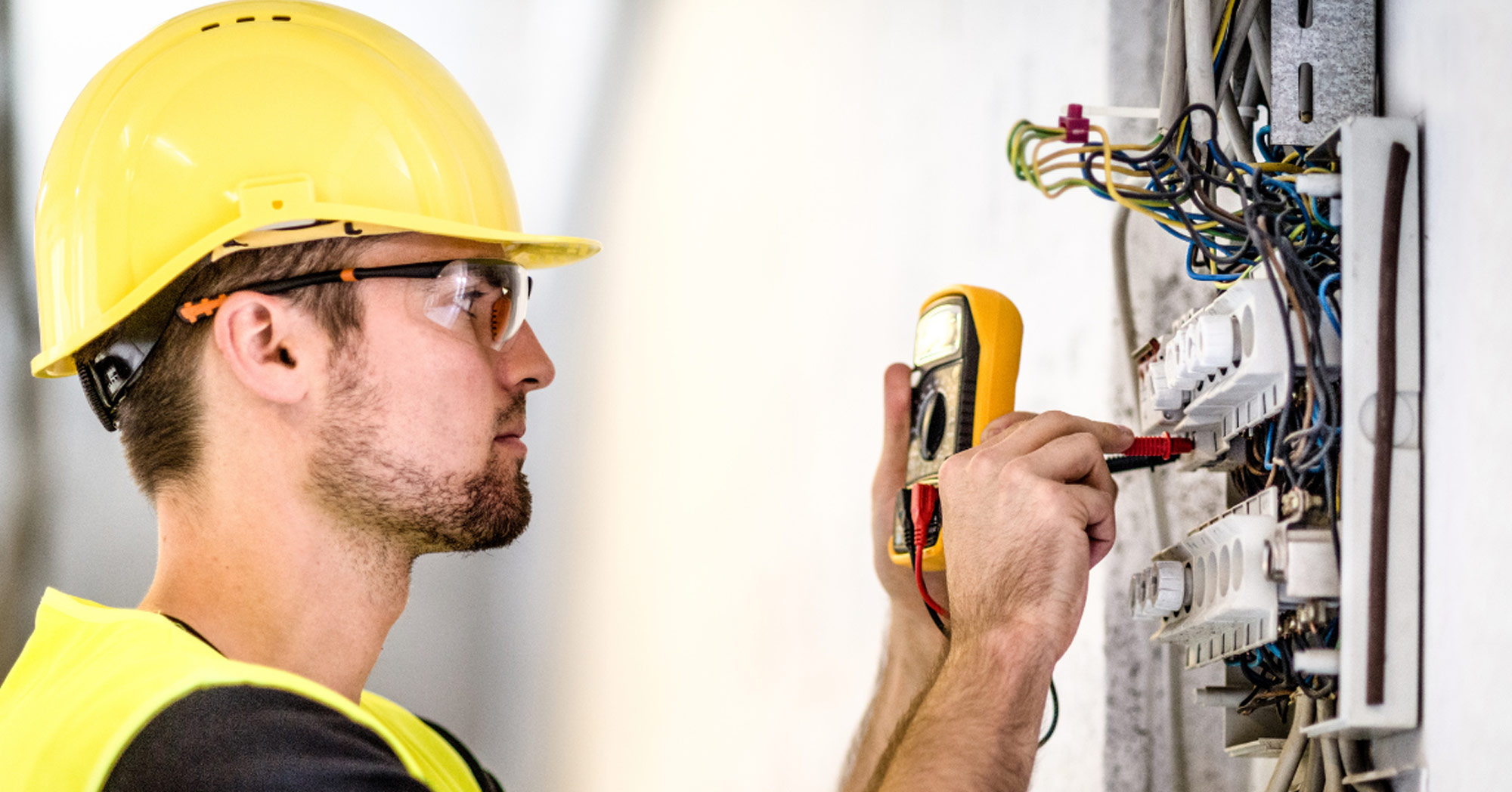
Electrical incidents are a leading cause of workplace injuries and fatalities in industrial and technical settings. In France, INRS (Institut National de Recherche et de Sécurité) reports that a significant number of electrical accidents involve workers who were not properly habilitated, even if they were not performing direct electrical work. One of the most common oversights is assigning maintenance or support staff near electrical panels without any formal authorization or training.
Without proper habilitation électrique, employers risk legal penalties, increased liability, and preventable injuries. Ensuring your team has the correct level of certification is not optional; it is a legal requirement under French regulation and a critical part of any workplace safety strategy.
To ensure your staff meets all obligations, working with a certified training provider like 1Formation SST can help you manage compliance and reduce risk efficiently.
What Is Habilitation Électrique?
Habilitation électrique is an official recognition by an employer that a worker is authorized to perform specific tasks related to electrical installations. This authorization is only valid if the worker has received proper training and has been declared medically fit by an occupational health doctor.
The requirement is based on the French standard NF C18-510 and the Code du Travail articles R.4544-9 and R.4544-10. The standard defines a framework for classifying workers according to the types of operations they can perform and their exposure to electrical hazards.
Unlike general safety training, habilitation électrique is a legal obligation. It specifically applies to anyone performing or working near electrical tasks, regardless of their core job function.
Who Needs Habilitation Électrique in Your Team?
Many employers mistakenly believe that only electricians require electrical safety certification. In reality, a wide range of employees may need it, depending on the tasks they perform and their proximity to electrical installations.
- Maintenance staff: They often work on or near electrical systems, even if not directly handling wiring.
- Technicians and machine operators: They may intervene during troubleshooting or basic servicing near electrical panels.
- Administrative and office personnel: Those who install or connect devices, extension cords, or work near technical rooms.
- Contractors and temporary workers: Anyone brought in for industrial, maintenance, or site work must be appropriately habilitated.
Evaluating every role’s exposure to electrical risk is the first step in determining which level of training is needed.
Habilitation Électrique Levels Explained
Each type of habilitation is defined by a letter and number combination, specifying what kind of work can be performed and under which voltage domain. Below is an overview of common levels:
| Code | Voltage Domain | Type of Work Authorized |
| B0 | Low Voltage | Non-electrical work near low-voltage equipment |
| H0V | High Voltage | Non-electrical work near high-voltage areas |
| BS | Low Voltage | Simple electrical work (e.g., replacing fuses) |
| BE | Low Voltage | Skilled electrical operations (testing, etc.) |
| HE | High Voltage | Electrical work on high-voltage installations |
| BR | Low Voltage | Repair and maintenance involving electrical work |
This classification helps ensure that each worker is properly trained for the level of risk they may encounter.
How to Choose the Right Level for Each Role
Selecting the correct habilitation requires a methodical approach. Here’s how employers can determine which level applies:
- Evaluate job tasks: Is the employee working directly on electrical equipment, or just nearby?
- Assess voltage exposure: Will they be near low voltage (LV) or high voltage (HV) systems?
- Determine responsibility: Will the employee be testing, maintaining, or simply observing?
Example:
- A technician who opens electrical panels to press reset buttons but doesn’t touch wiring would likely require an H0V level.
- A maintenance worker replacing light fixtures and troubleshooting circuits may need BS or BR.
Each job must be reviewed with safety in mind, not only from a technical standpoint but based on legal expectations.
Matching Your Team’s Roles to the Right Certification
Here’s a practical reference table for mapping common roles to the right level of habilitation:
| Job Role | Suggested Level | Tasks Covered | Renewal Frequency |
| Administrative assistant | B0 | Uses extension cords near electrical rooms | Every 3 years |
| Warehouse operator | H0V | Works near electrical panels | Every 3 years |
| Maintenance technician | BS or BR | Replaces outlets, light fixtures, and resets circuits | Every 3 years |
| Electrician (low voltage) | BE | Full electrical servicing, diagnostics | Every 3 years |
| Electrician (high voltage) | HE | Operates and maintains high-voltage equipment | Annually or as required |
| Contractor or subcontractor | Varies (B0 to HE) | Based on tasks and site exposure | As per the role |
The duration of validity typically depends on risk level. High-voltage or complex interventions may require more frequent renewals.
Legal Obligations for Employers
Employers are legally responsible for identifying electrical risks and ensuring that employees receive the appropriate training and authorization. According to Article R.4544-9 of the French Labor Code:
- No worker may carry out electrical operations unless they have received appropriate training.
- Authorization must be given in writing by the employer after verifying the worker’s training and aptitude.
- Habilitation letters must specify the level granted and must be updated as needed.
In the United States, a similar requirement exists under NFPA 70E, which defines “qualified” and “unqualified” workers. However, in France, the legal system ties directly into labor law and formalizes the employer’s duty.
Failure to meet these requirements can lead to regulatory penalties, void insurance claims, or liability in the event of an incident.
Electrical Safety Classes vs. Habilitation Électrique – What’s the Difference?
In North America, electrical safety training often follows a modular “class” model guided by NFPA 70E. Workers are divided into qualified and unqualified categories based on whether they are permitted to work on energized systems. These courses typically teach hazard identification, PPE usage, and risk assessment.
In contrast, France uses a formalized, regulation-driven system of authorization called habilitation électrique. It is not simply a training course but a combination of training, medical fitness, and employer-issued authorization, governed by NF C18-510 and French labor law. The employer must grant and document the authorization after verifying that the training and aptitude match the tasks assigned.
The key distinction: in France, habilitation électrique is a legal status, not just a training module.
What Happens If You Choose the Wrong Authorization?
Assigning an incorrect level of habilitation to an employee, either too low or too high, carries serious consequences:
- Legal risk: French labor law places full accountability on the employer for ensuring correct habilitation. Non-compliance can lead to citations or prosecution.
- Workplace injury liability: If an employee is injured and did not hold the correct habilitation level, the employer could be found criminally negligent.
- Insurance complications: Workplace insurance providers may deny claims if the injured party was working without the correct authorization.
- Team trust and safety culture damage: Workers are less likely to report risks or comply with safety protocols if they see that management cuts corners on legal authorizations.
Choosing the correct level is both a compliance task and a moral obligation.
How Long Does Habilitation Last? Renewal Rules Explained
Habilitation électrique is not permanent. It has a validity period that depends on the nature of the work and the internal policy of the company. General guidelines:
- Standard validity: 3 years for most low-voltage or non-electrical operations.
- High-voltage operations: Often require annual renewal.
- Role change: A change in job function, equipment used, or work environment can trigger the need for reassessment and new habilitation.
Employers must track these dates and organize refresher training well in advance. Partnering with a provider like 1Formation SST ensures that both initial and renewal training meet compliance standards and include full documentation (see Tarif Habilitation Électrique H0B0 for a clear example of level-specific requirements and cost structure).
Additional Safety Protocols Beyond Authorization
Even with the correct habilitation, safety protocols must be applied on the ground. Key layers of protection include:
- Lockout/Tagout (LOTO): Systems must be de-energized and locked out during maintenance or servicing to prevent accidental re-energization.
- Personal Protective Equipment (PPE): Workers should wear arc-rated clothing, insulated gloves, dielectric boots, and face shields according to the task and voltage level.
- Arc Flash Boundaries: Identify and respect safe approach boundaries where arc flash risk is present. Use clear signage and train staff on correct distancing.
Basic checklist for live work prep:
- Confirm habilitation level.
- Inspect PPE before use.
- Verify de-energization (if applicable).
- Lockout/Tagout equipment.
- Confirm arc flash distance and boundary setup.
Safety training must not stop at authorization. Protocols, gear, and real-world practices are what keep workers alive.
Training Providers: How to Choose the Right One
Not all training centers offer the same quality or compliance coverage. When selecting a provider for your team, ensure they:
- Are certified to deliver training under NF C18-510.
- Include both theoretical modules and practical exercises.
- Test knowledge with real-life scenarios and formal evaluations.
- Provide valid documentation and a certificate of completion.
- Support refresher programs and authorization renewal.
- Track employee training status digitally and offer updates when renewals are approaching.
A trusted provider like 1formationSST helps you align with legal standards and reduce internal admin work.
Frequently Asked Questions
What are the levels of habilitation électrique?
Levels range from B0 (non-electrical operations near low voltage) to BE, HE, and BR for skilled tasks on low and high voltage systems. Each code defines authorized tasks and voltage exposure.
Can non-electricians get certified?
Yes. Anyone working near electrical installations, even without direct electrical tasks, may need B0 or H0V certification depending on risk proximity.
What’s the difference between B0 and H0V?
B0 is for non-electrical tasks near low-voltage equipment. H0V applies to non-electrical work near high voltage areas.
What’s the minimum training required for office workers?
If office staff are exposed to electrical risk (e.g., working near technical rooms or using extension cords near panels), a B0 level may be required.
Is refresher training mandatory?
Yes. Although not all levels require annual renewal, most authorizations are valid for three years. High-voltage roles may need yearly reassessment.