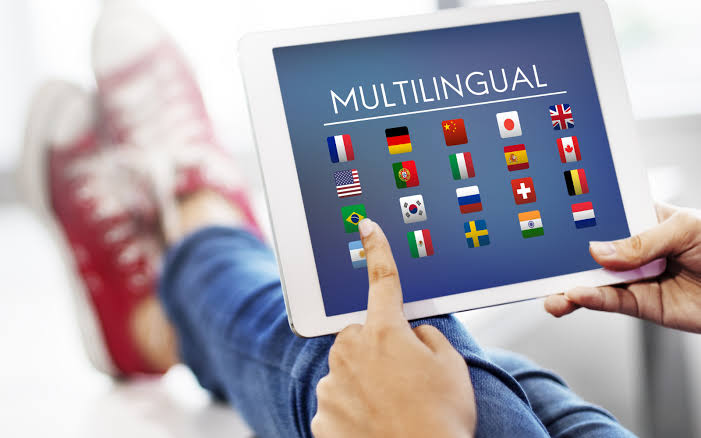
A multilingual website can reach readers across borders, but visibility does not happen simply because a page has been translated. Search engines and visitors need clear signals about the topic, the audience and the language of each page. Without that clarity, useful content can compete with its own translations or appear for the wrong searches.
A thoughtful multilingual SEO plan connects language, search intent and site structure. It helps a publisher serve readers in their preferred language while giving every important page a clear role. For a site covering technology, lifestyle, films, education or business, this makes it easier to grow without creating disconnected translations.
Translation is not the same as localization
Translation and localization are related, but they are not identical. Translation carries an article’s meaning into another language. Localization adapts wording, examples, spelling and references so the article feels natural to its audience. A phrase common in French may not be what an English-speaking reader types into a search box, even when both searches describe the same subject.
That difference matters for SEO. A direct translation may be correct but still miss the questions, vocabulary and expectations behind local searches. Before publishing a language version, identify the audience, the problem to solve and the words that audience actually uses. Then decide whether the page should be translated, rewritten or created separately.
Start with language-specific search intent
Begin with a language-and-intent map. List the main topics the site covers, the languages it serves and the searches each audience may make. A French reader seeking a technology explainer may want a definition, while an English reader may want a comparison or buying guide. The audiences can share a topic without needing identical titles, headings or formats.
Keyword research should be done for each priority language. Use native speakers or experienced editors to review terms, because search tools cannot always explain tone or everyday usage. Check regional spelling, singular and plural forms, accents, abbreviations and the way people describe products, places and cultural references.
Give every language version a clear purpose
A multilingual site is easier to manage when every page has a deliberate purpose. Some articles are evergreen guides, while others respond to a film release, technology change or current question. A language version should preserve the original’s useful purpose, but it need not follow a word-for-word template if the audience needs a different explanation.
Useful localization checks include:
- Does the wording sound natural to a native reader in the target market
- Are names, dates, measurements, currencies and cultural references accurate
- Do titles and headings reflect the searches used in that language
- Are navigation, forms, buttons and image descriptions localized consistently
- Does the page provide the same useful answer without making unsupported claims
The goal is not to create versions simply to increase page count. Each should offer a complete reading experience, with an accurate title, natural language and enough context to stand alone. A short machine-translated shell around the same keywords may add little value for readers or search engines.
Build a technical foundation for every language
Technical SEO helps search engines understand how language versions relate. Use stable, readable URLs and make the language visible in the page structure. Where appropriate, hreflang annotations can signal the intended audience, while canonical tags help prevent accidental duplication. Check these details carefully rather than copying them across every page.
The basics still matter: important pages should be indexable, mobile-friendly and comfortable to use. Check translated navigation, metadata, image alt text, structured data and error messages. A page may be optimized in one language but lose visitors if a menu, cookie notice or contact form remains unfamiliar.
Use internal links to connect the content library
Internal links are especially helpful on multilingual websites because they show topical and language relationships. A technology article can lead to a related guide, a film feature to another review and an education post to a deeper explainer. The link should help the reader continue, not simply repeat an exact keyword.
Keep the language path predictable. When a reader changes language, take them to the equivalent page when one exists, not always to the homepage. If no equivalent exists, explain the choice and offer related content in the selected language. Consistent navigation reduces confusion and gives search engines a cleaner view of the site.
Maintain quality after publication
Multilingual content needs an editorial maintenance plan. Dates, prices, product details, film information and technology guidance can change. A useful update should be reviewed in every affected language, because a change to one version can create contradictions in another. Record the last review and the facts that need regular checking.
Quality control should include human review, especially for culturally sensitive topics, names, idioms and local claims. Automated translation can accelerate a first draft, but it should not decide tone, accuracy or whether a phrase sounds trustworthy. Readers notice when a page feels copied from another audience.
Know when expert support is useful
Outside SEO support can help when a multilingual library grows faster than the team can audit it. A publisher may need help finding duplicate intent, improving language architecture, reviewing indexation or deciding which pages to update first. The right partner should work with editors, explain priorities and respect the difference between technical optimization and editorial judgment.
The plan should also reflect the market being served. A practical Hong Kong SEO strategy, for example, can help a publisher organise local search intent, language choices and conversion paths when Hong Kong visibility is part of the business goal. The provider should show which audience is being prioritised, what will change and how the results will be evaluated.
Measure each audience clearly
Measure each language version on its own and alongside the whole site. Useful indicators include impressions, clicks, engaged visits, returning readers, newsletter sign-ups and other actions that matter. If one language has strong impressions but weak engagement, the issue may be intent, localization, page speed or the next step rather than the topic.
Look at content type as well as language. A time-sensitive article may create a short burst of attention, while a guide may attract steady visits for months. Comparing these patterns helps the team decide where translation, original writing and updating time will create the most value.
Create a repeatable multilingual workflow
A repeatable workflow can start with a monthly review. Identify topics with growing interest, check the most visited language versions, repair technical issues and update pages that answer important questions. Then review internal links and confirm that the language switcher, metadata and calls to action work as intended. Small, documented improvements are easier to sustain than large rewrites.
Multilingual SEO works best when it is treated as publishing, not a translation shortcut. Clear intent gives each page a job, localization makes the message human, technical structure helps search engines interpret the site and measurement keeps the work focused. Together, these parts help a publisher reach more readers without sacrificing accuracy, consistency or editorial trust.